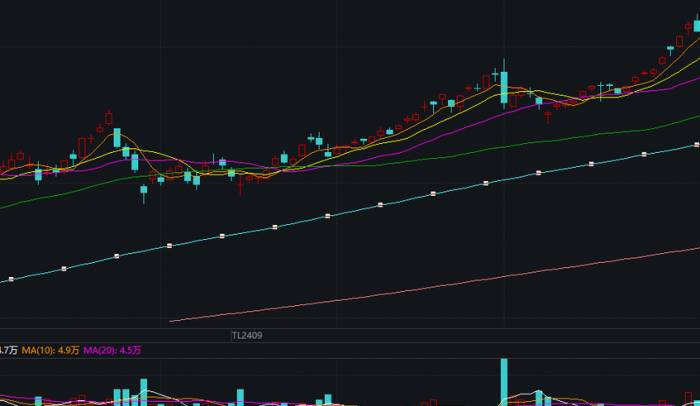
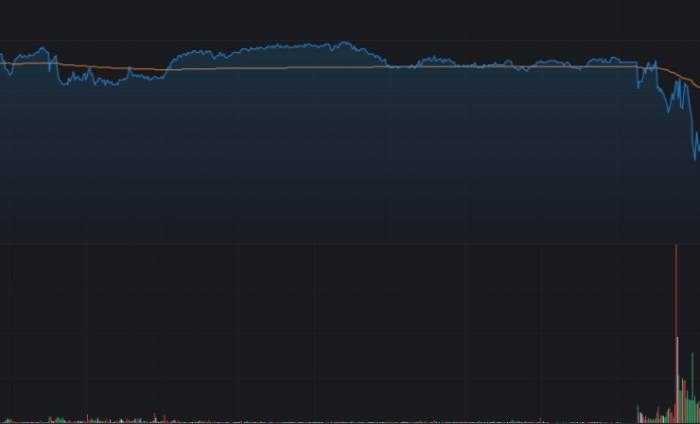
You've done your homework. The company just reported earnings per share (EPS) that smashed Wall Street estimates. Revenue growth is strong. The CEO sounds optimistic on the conference call. You hit the refresh button on your brokerage account, expecting a nice green pop. Instead, the stock is down 5%, 8%, sometimes even 15% in pre-market trading.
It feels like a betrayal. The numbers were good, so why is the market punishing the stock? This isn't a glitch; it's one of the most common and frustrating experiences for investors. The truth is, the stock market is a discounting machine. It doesn't trade on what happened last quarter; it trades on what it expects to happen in all the quarters ahead. A "good" report can be a disaster if it fails to meet the market's whispered, often unrealistically high, expectations for the future.
Let's cut through the noise. I've watched this play out for years, and the reasons almost always boil down to a few key themes. Understanding them won't stop the drops from happening, but it will stop you from making panicked, emotional decisions when they do.
What You’ll Learn in This Guide
- Reason 1: The Market Had Even Higher ("Whisper") Expectations
- Reason 2: The Future Guidance Was Weak or Cautious
- Reason 3: The "Quality" of the Earnings Was Poor
- Reason 4: The Macro Environment Shifted
- Reason 5: "Buy the Rumor, Sell the News"
- What Should You Do When This Happens?
- Your Burning Questions Answered (FAQ)
Reason 1: The Market Had Even Higher ("Whisper") Expectations
This is the classic trap. Wall Street analysts publish their official estimates, which are the numbers you see on financial news sites. But behind the scenes, a different game is played. Hedge funds, institutional investors, and company management often have private conversations that create a "whisper number"—an unofficial, higher expectation for performance.
Let me give you a concrete example. Imagine a hot tech company, "CloudScale Inc." The consensus analyst EPS estimate is $1.20. The company reports $1.30. On the surface, a solid beat. But for the past month, chatter among big money managers suggested the real number could be $1.40 or higher, based on channel checks (talking to suppliers and customers) and industry data. When CloudScale reports $1.30, it misses that invisible whisper number. The institutions that bought expecting $1.40 start selling immediately. The stock tanks, leaving retail investors staring at the "beat" and scratching their heads.
The market prices in future performance. If the future everyone was whispering about looks less bright than hoped, even a good past result isn't enough.
Reason 2: The Future Guidance Was Weak or Cautious
Earnings are a look in the rearview mirror. Guidance is the map for the road ahead. A great past quarter paired with a gloomy forecast is a surefire way to sink a stock.
Companies provide guidance for the next quarter and sometimes the full year. This includes projected revenue, EPS, profit margins, or key metrics like user growth. If management sounds cautious—citing "macroeconomic headwinds," "supply chain challenges," or "slowing demand"—investors will reprice the stock lower to reflect this new, less certain future.
Here’s what to listen for on the conference call: Vague language is a red flag. Phrases like "we remain cautiously optimistic" or "visibility is limited" often translate to "we don't know, and it might get worse." Conversely, specific, confident guidance about market share gains or new product ramps can sometimes outweigh a mediocre current quarter.
Pro Tip: Don't just read the earnings press release. Listen to the live earnings call or read the transcript. The tone of the CEO and CFO during the Q&A session with analysts is often more telling than the prepared remarks. A hesitant answer to a direct question about demand can be the trigger for the sell-off.
Reason 3: The "Quality" of the Earnings Was Poor
Not all profits are created equal. The headline EPS number can be massaged. Savvy investors dig into the details to judge the quality of the earnings. A beat on low-quality earnings is a hollow victory.
Here are the key quality metrics that can cause a post-earnings drop:
Revenue vs. EPS Beat
A company can beat EPS by cutting costs (layoffs, reducing R&D) while missing revenue estimates. This is a major warning sign. It suggests growth is stalling and management is using financial engineering to hit targets. The market hates this. Sustainable growth comes from selling more products, not just spending less.
Margin Contraction
What if revenue and EPS both beat, but profit margins shrank? This means the company is making less money on each dollar of sales. It could be due to rising input costs, price wars, or inefficient scaling. Shrinking margins in a "good" earnings report is a bright flashing light for analysts.
One-Time Items & "Adjusted" Earnings
Be extremely wary of heavy reliance on "adjusted" or "non-GAAP" earnings. Companies often add back "one-time" charges that seem to happen every quarter. If the beat only exists on an adjusted basis, but the standard accounting (GAAP) results are weak, the market will see through it.
| Earnings Quality Signal | What It Looks Like | Why the Market Sells |
|---|---|---|
| Low-Quality Beat | EPS beat via cost cuts, but revenue missed. Margins are down. | Signals lack of organic growth and future earnings pressure. |
| High-Quality Beat | Revenue and EPS beat, with stable or expanding margins. Cash flow is strong. | Indicates healthy, sustainable business growth. Often leads to stock gains. |
| Accounting-Driven Beat | Big beat on "adjusted" EPS, but GAAP EPS is flat or negative. | Perceived as misleading or masking underlying business weakness. |
Reason 4: The Macro Environment Shifted
Sometimes, it's not about the company at all. A stock exists within a broader economic landscape. A fantastic earnings report can be completely overshadowed by a macro event that changes the investment thesis for the entire sector.
Picture this: A homebuilder reports record quarterly profits. But on the same day, the Federal Reserve announces a more aggressive interest rate hike schedule than expected. Mortgage rates spike. Suddenly, the future demand for new homes looks shaky. The homebuilder's stock will fall with the sector, regardless of its great past results. The market is now discounting a tougher future environment.
Other macro factors include geopolitical tensions, commodity price shocks, or a sudden shift in currency exchange rates that impacts multinationals. In these cases, the stock is a cork bobbing in a much larger ocean.
Reason 5: "Buy the Rumor, Sell the News"
This old Wall Street adage is a behavioral finance phenomenon. When investors widely expect a good earnings report, they often buy the stock in the weeks leading up to the announcement. This drives the price up in anticipation—the "rumor" phase.
By the time the actual "news" (the earnings report) hits, the positive outcome is already fully priced into the stock. There's no new catalyst to drive it higher. So, traders and short-term investors who bought earlier sell to lock in their profits. This wave of selling can cause an immediate drop, even on perfect results.
It's a self-fulfilling prophecy driven by momentum and positioning, not fundamentals. This effect is most pronounced in highly watched, volatile stocks.
What Should You Do When This Happens?
Don't just react. Investigate. Your action plan should look like this:
Step 1: Pause. Do not hit the sell button in a panic. The initial reaction is often emotional and exaggerated.
Step 2: Diagnose. Go through the reasons above. Listen to the earnings call. Read analyst reports from sources like Bloomberg or Reuters (not just the headlines). Was it guidance? Margins? A macro event? Identify the specific cause.
Step 3: Re-evaluate Your Thesis. Why did you own this stock? Has the long-term story fundamentally broken? If the drop is due to a temporary issue or noisy "sell the news" action, and the core business remains strong, this might be a buying opportunity. If the guidance cut reveals a structural problem, it may be time to reconsider your investment.
I've made the mistake of selling a great company on a post-earnings overreaction, only to watch it double over the next year. The lesson was to focus on the business, not the ticker.
Your Burning Questions Answered (FAQ)
The bottom line is this: the stock market is a forward-looking auction, not a report card on the past. A "good earnings report" is only good if it meets or exceeds the market's ever-shifting expectations for the future. By understanding the five core reasons behind the drop—whisper numbers, guidance, earnings quality, macro shifts, and trader behavior—you transform from a confused spectator into a prepared investor. You'll spend less time worrying about daily price swings and more time evaluating the actual business you own.