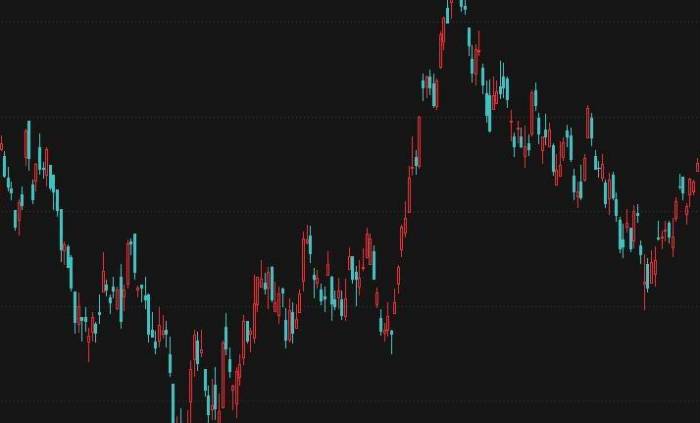
You see the headlines: "Nikkei Hits New Record High," "Japanese Stocks Soar." The charts look like a rocket taking off. The first, most obvious answer everyone gives is the weak yen. A cheap yen makes Japanese exports more competitive, right? That's the simple story, and it's not wrong. But it's like saying a car moves because you press the gas pedal. It misses the engine, the fuel system, the road conditions—all the complex parts working together.
After tracking this market for years and speaking with fund managers in Tokyo, I've found the real story is more profound. The rally is built on a powerful, and potentially lasting, combination of structural corporate reform, deliberate monetary policy, a massive re-rating by global investors, and a shift in domestic sentiment. The weak yen is the spark, not the fuel. Let's look under the hood.
What’s Inside This Analysis
The Corporate Governance Revolution (The Real Engine)
This is the part most casual observers miss. For decades, Japanese companies were infamous for hoarding cash, having inefficient cross-shareholdings, and prioritizing stability over shareholder returns. Management wasn't accountable. That's changing, fast.
The Tokyo Stock Exchange (TSE) has been the driving force. They didn't just make suggestions; they set hard targets. Companies trading below a price-to-book (P/B) ratio of 1 are now required to disclose concrete plans to improve capital efficiency. Ignoring this isn't an option—it risks being shunted to a less prestigious market section.
The pressure is working. I've seen the announcements pile up: billions of dollars in share buybacks, dividend hikes, and plans to unwind non-core cross-shareholdings. It's not just a few big names. It's a broad-based movement.
On-the-ground observation: Talking to a mid-cap manufacturing firm's IR team last year, their entire focus was on hitting the TSE's P/B target. The conversation wasn't about next quarter's sales; it was about selling a dormant real estate subsidiary and launching a buyback. That mindset shift is everywhere now.
Specific Reforms You Should Know About
It's not a vague concept. Concrete actions are creating real value:
- Share Buybacks: Companies are returning cash directly to shareholders at a record pace. This reduces share count, boosting earnings per share (EPS) for remaining shareholders.
- Focus on Cost of Capital (ROE): Management is now laser-focused on Return on Equity. Hoarding cash that earns nothing drags ROE down. Now, they're being forced to use it or give it back.
- Boardroom Accountability: Increase in independent outside directors. This brings external pressure and challenges the old, insular way of making decisions.
This reform push isn't a one-off. It's a sustained, multi-year campaign that's altering the fundamental DNA of Corporate Japan. That creates a more durable foundation for stock prices than currency fluctuations alone.
The Weak Yen: A Double-Edged Sword
Yes, the yen's depreciation is a huge factor. Driven by the stark divergence between the Bank of Japan's (BoJ) ultra-loose policy and rate hikes in the US and Europe, the yen fell to multi-decade lows against the dollar.
This turbocharges earnings for exporters. Think Toyota, Sony, or industrial robot maker Fanuc. Their overseas revenue, when converted back to yen, gets a massive translation boost. Analysts at firms like Goldman Sachs have consistently revised up earnings forecasts for the TOPIX index largely on this factor.
| Company | Sector | How Weak Yen Helps | A Potential Downside |
|---|---|---|---|
| Automaker (e.g., Toyota) | Export Manufacturing | Higher yen-value of US/EU sales. Competitive pricing abroad. | Imported raw materials (steel, chips) become more expensive. |
| Electronics Giant (e.g., Sony) | Consumer Tech | PlayStation sales overseas are worth more in yen terms. | Cost of components bought in dollars rises. |
| Tourism-Related (e.g., Hotel Chain) | Services | Japan becomes a "bargain" destination, boosting visitor numbers. | Local staff costs rise with inflation, squeezing margins. |
| Domestic Retailer | Retail | Little direct benefit. | Hurts consumers' purchasing power, can dampen domestic spending. |
Here's the nuance most miss: the weak yen is a double-edged sword. It hurts importers and squeezes household budgets because energy and food become more expensive. The net effect has been positive for the aggregate stock index because exporters carry more weight. But it creates winners and losers within the market, which is a key point for stock pickers.
The BoJ's cautious move away from negative rates and Yield Curve Control (YCC) hasn't reversed the trend. It's a normalization, not a tightening. The interest rate gap with the US remains wide, keeping pressure on the yen.
Foreign Money’s Great Rediscovery
Global investors spent years underweight Japan. It was the "lost decade" trade. That positioning has reversed violently. Foreign inflows have been massive and sustained.
The catalyst? It wasn't just the yen. It was the visibility of change. Warren Buffett's endorsement of Japanese trading houses (via Berkshire Hathaway) acted as a global signal. When Buffett buys, the world pays attention. He wasn't betting on currency; he was betting on these cash-rich, globally diversified conglomerates that were trading at a deep discount and starting to return capital.
Other global funds followed. They saw a market that was:
1) Undergoing genuine reform,
2) Still relatively cheap compared to US markets,
3) Benefiting from a clear macro trend (weak yen),
4) And offered diversification away from China tensions.
This created a powerful feedback loop. Inflows push prices up, which validates the thesis, which attracts more inflows. It's a classic momentum trade, but this time with fundamental underpinnings.
Domestic Investors Are Finally Waking Up
For years, the joke was that Japanese households kept their wealth in cash and bank deposits earning nothing. The government's NISA (Nippon Individual Savings Account) program, which offers tax-free investing, has been tweaked and expanded to become genuinely attractive. We're starting to see a slow but steady trickle of retail money into equities and investment trusts.
More importantly, the giant domestic institutional investors are shifting. The Government Pension Investment Fund (GPIF), the world's largest pension fund, has been gradually increasing its allocation to domestic stocks. When GPIF moves, the market feels it.
This is critical. A rally sustained only by foreign "hot money" can reverse quickly. If domestic investors—both retail and institutional—start to believe in equities as a long-term store of value again, it provides a much deeper pool of permanent capital. We're in the early innings of this shift.
The Risks and Challenges Ahead
No trend goes in a straight line. Being bullish doesn't mean being blind. Several clouds could rain on the parade.
- Yen Snapback: A sudden, sharp strengthening of the yen (triggered by a US recession or aggressive BoJ hiking) would immediately hit exporter earnings and could trigger profit-taking.
- Reform Fatigue: Will the TSE keep the pressure on? Will companies backslide once the spotlight moves on? Sustained change requires vigilance.
- Global Recession: Japan isn't an island. A severe downturn in the US or Europe would hit its export-dependent companies hard, regardless of the yen.
- Geopolitics: Tensions in Asia or a major conflict would disproportionately impact a resource-importing nation like Japan.
- The Demographic Reality: A shrinking, aging population is a long-term structural drag on domestic demand growth. No stock market rally solves that.
The rally has been steep. Valuations are no longer dirt cheap. This means future returns will depend more on earnings growth delivering on the promise, and less on simple multiple expansion. The easy money might have been made.
How to Position Yourself for the Trend
If you believe the thesis, how do you act? Throwing money at a Nikkei index fund is one way, but it's blunt. A more nuanced approach might serve you better.
Consider these avenues:
- Broad ETFs: Funds like the iShares MSCI Japan ETF (EWJ) or the MAXIS Nikkei 225 ETF (NKY) give you the whole market. Simple, low-cost exposure.
- Thematic ETFs: Look for funds focusing on "Shareholder Yield" (buybacks + dividends) or "Corporate Reform." These target the specific engine of the rally.
- Active Management: A good active manager can navigate the winners and losers of the weak yen, and identify companies truly embracing reform versus those just painting a facade.
- Direct Stock Picks: This is for the diligent. Focus on companies with:
- A clear plan to improve P/B/ROE.
- Strong global franchises (to benefit from yen).
- A history of increasing shareholder returns.
Avoid companies overly reliant on the fragile domestic consumer.
Dollar-cost averaging in can help smooth out volatility. Trying to time the peak of the yen trend is a fool's errand.
Your Questions, Answered (Beyond the Basics)
Is it too late to invest in Japanese stocks after such a big run-up?
What's the single best way to invest, for someone who doesn't want to pick stocks?
What's the biggest risk that most analysts are downplaying?
How does Japan's stock rise affect the global market and my other investments?
If the yen strengthens, will the entire stock market fall?
The rise of Japanese stocks is a multifaceted story. Reducing it to "weak yen" is a mistake. It's about a country and its corporate sector consciously trying to break from a deflationary, stagnant past. The path won't be smooth, and the risks are real. But for the first time in a generation, there is a coherent, multi-pronged effort to unlock shareholder value. That's the real reason the charts are going up, and it's a reason that could have staying power long after the currency headlines fade.